

Travelling and camping in Australia
Discover everything you need to know about travelling and camping in Australia. All your questions are answered here. We've compiled a list of the most frequently asked questions and answers regarding the best destinations and places to stay during your Australian road trip. Embark on an adventure through the vast and diverse landscapes of Australia by campervan.
Frequently asked questions
-
How can I stay connected on my road trip in Australia?
With an eSIM you'll get data to connect to the internet, so you can use your smartphone throughout Australia. Most smartphones nowadays are compatible with eSIMs, but make sure to check just in case.
Get your eSIM data bundle for Australia and you'll have mobile data from the moment you land. More info about the Spaceships Easy eSIM Connection.
If you prefer an oldskool SIM that also includes mobile minutes, we recommend going to a shop when you arrive in Australia and get a SIM from Optus or Telstra.
-
Traffic rules & fines in Australia. Everything you need to know
Australia has strict traffic laws, and fines are often issued automatically via cameras. As the vehicle owner, we will forward any fines to you, so it’s essential to understand the rules to avoid unexpected costs.
1. Speed Limits
Highways: 100–110 km/h
Residential areas: 50 km/h
School zones: 40 km/h
Enforcement: Fixed and mobile speed cameras are widely used. Even minor speeding can result in fines.
2. Toll Roads
Cashless system: All toll roads in Sydney, Melbourne, and Brisbane are cashless.
Payment: If unpaid within the required time, you’ll receive an infringement notice.
Recommendation: Set up a Sydney Toll Pass to cover all states.
More info: Spaceships Toll Road Guide
3. Mobile Phone Use
Rule: It is illegal to use or hold a mobile phone while driving, even at traffic lights or when stationary in traffic.
Enforcement: Roadside cameras actively monitor compliance.
4. Seatbelts
Requirement: All occupants must wear seatbelts correctly at all times.
Note: Arms or shoulders must not be outside or over the seatbelt, as this reduces its effectiveness.
5. Alcohol Limits
Full license holders: 0.05% blood alcohol concentration (BAC)
Learner/provisional drivers: 0.00% BAC
6. Roundabouts
Rule: You must give way to traffic already in the roundabout.
7. Parking Rules
Common infringements: Overstaying time limits, parking in permit zones, or stopping in clearways during restricted hours. See detailed info about parking signs in Australia and how to read them.
8. How Fines Work
Process: Fines are issued automatically via cameras and sent to the registered vehicle owner (Spaceships Australia).
Next steps: We will transfer the fine to your name and send it to the address provided in your booking.
-
Our guide to understanding Australian parking signs
Australian parking signs may look like alien glyphs, full of symbols, numbers and colours. So here’s your translator.
🅿️ The "P" Symbol
✅ "P" alone = Parking is permitted
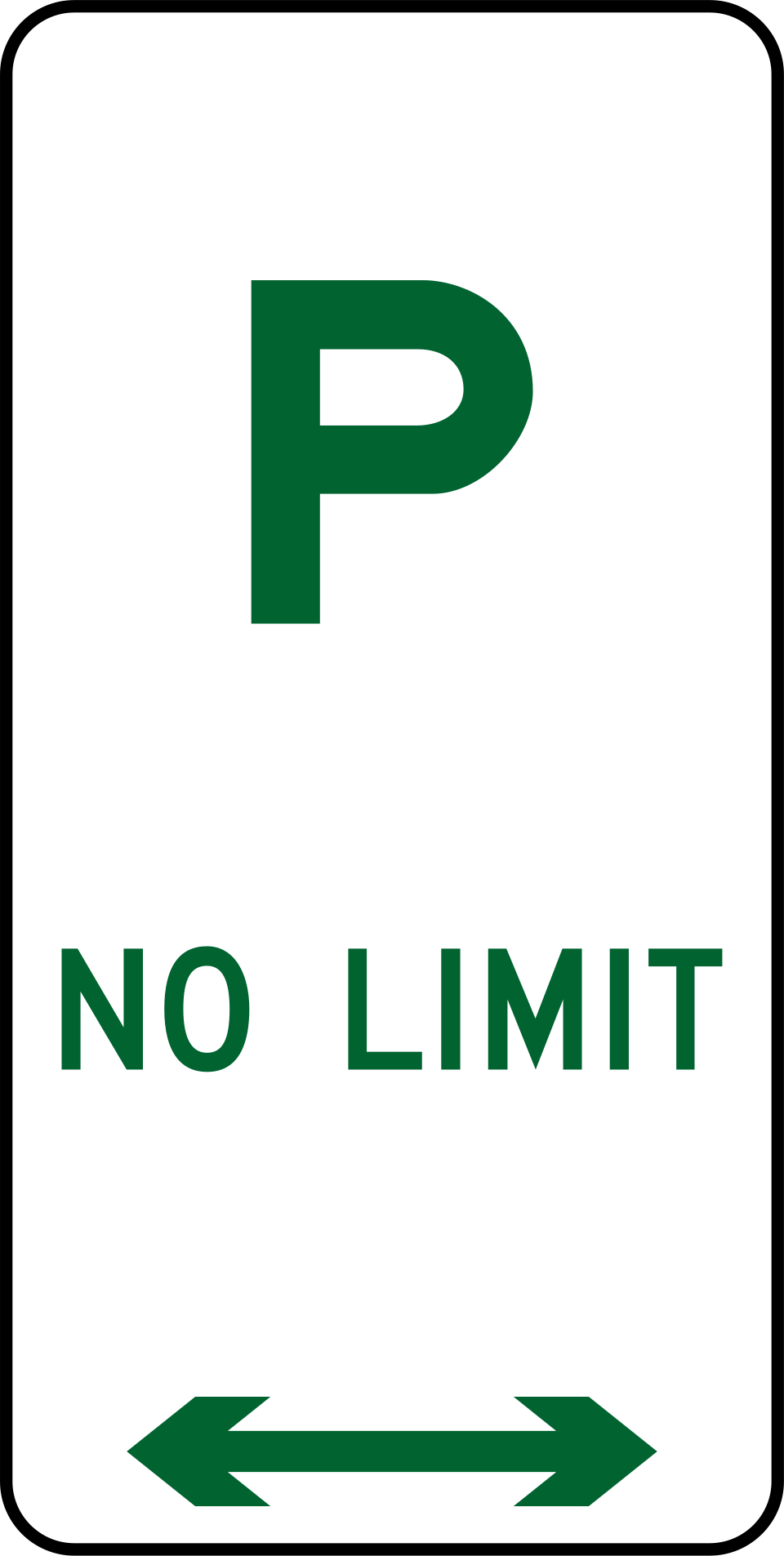
Parking Permitted: No Limit ❌ "P" with a red slash = No parking
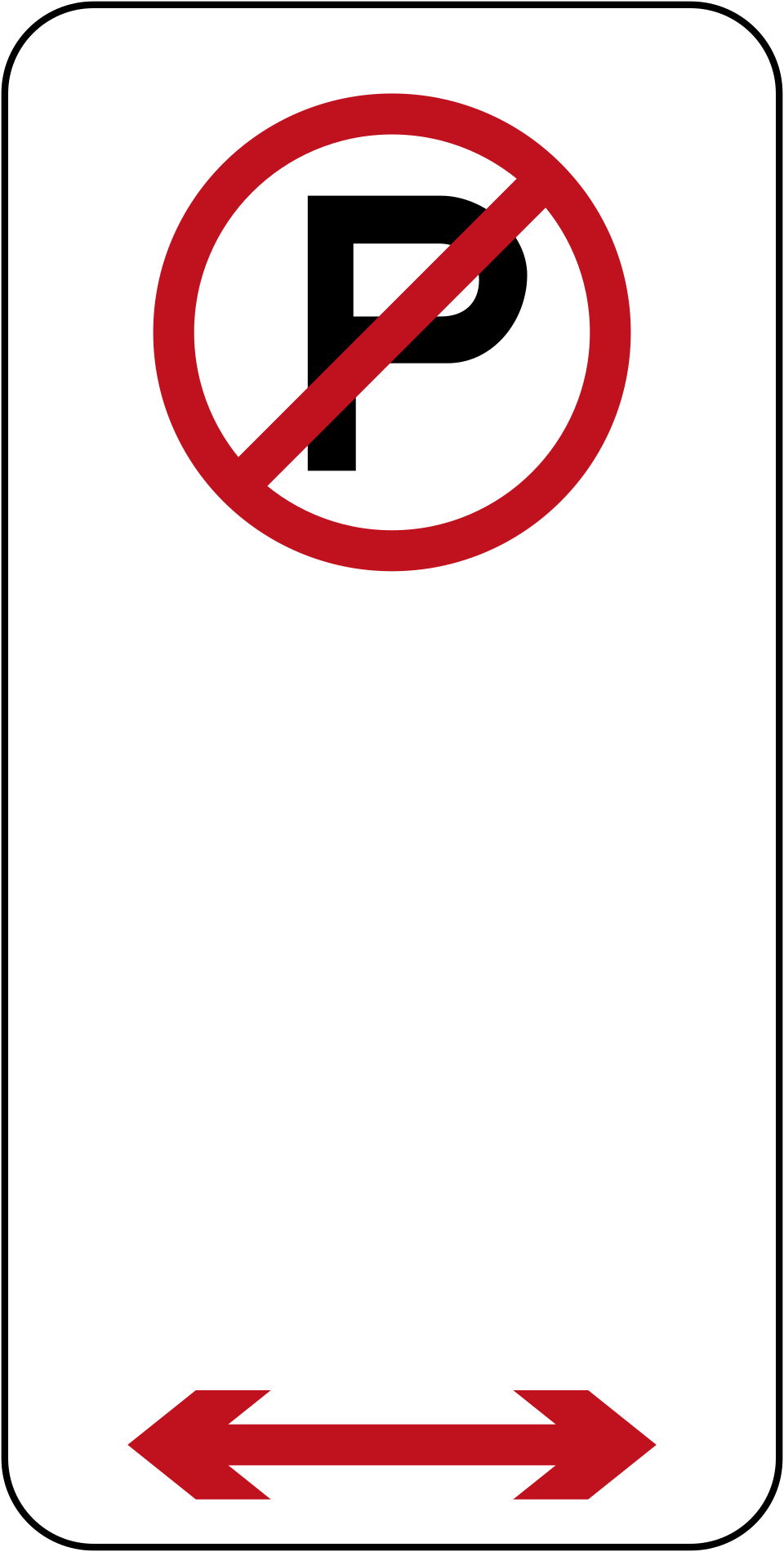
No Parking Time Limits
"1P" = 1 hour max
"1½P" = 1.5 hours max
"2P" = 2 hours max
"½P" = 30 minutes max
"¼P" = 15 minutes max (usually for quick stops, like grabbing a pie)
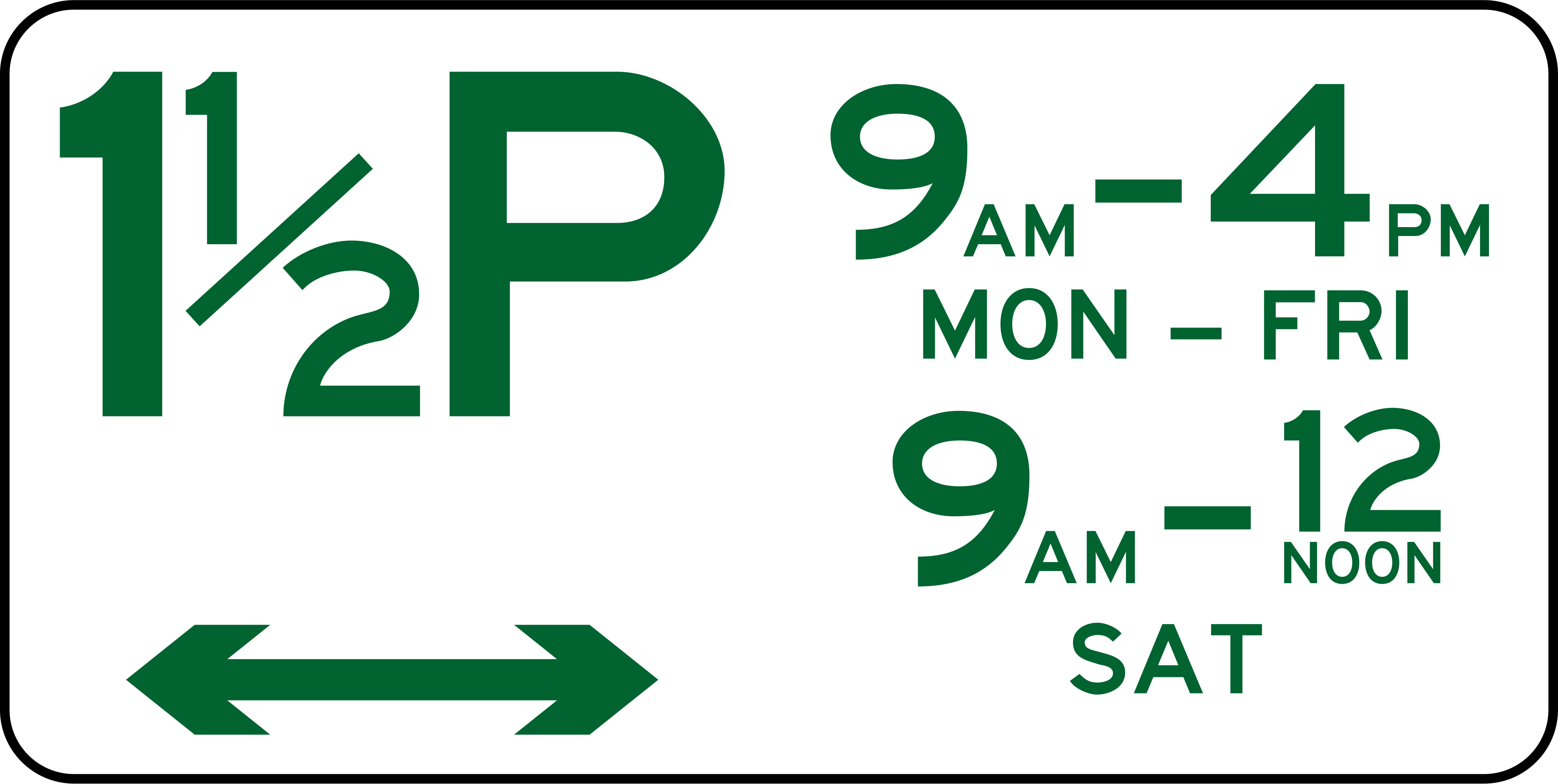
Parking permitted: 1 hour and 30 minutes Days & Times
If a sign says "Mon–Fri 8 am–6 pm", the rule only applies during those times. Outside those hours? Park freely (but double-check for other signs).
No days/times listed? The rule applies 24/7.
Arrows
An arrow means the rule applies in the direction it’s pointing until another sign says otherwise. See the example below, no parking in the area on the left of this signs between 4 and 6pm on Monday to Friday so it applies as long as you don't see another parking sign in that area that says otherwise.
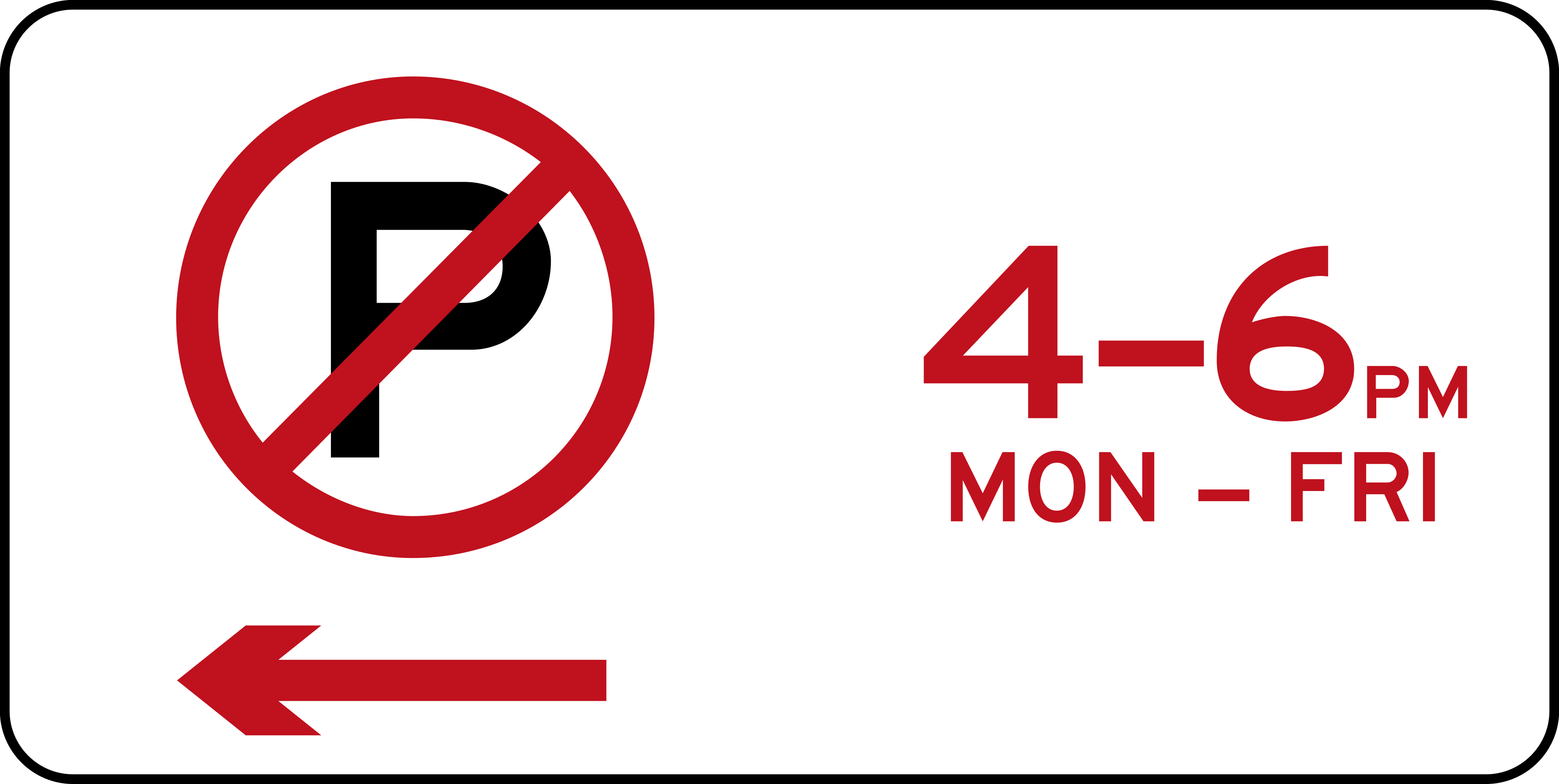
No parking between these times, on these days; left area of this sign Colours
Green = Usually permitted or time-limited parking.
Red = Restricted or "No Parking" zones.
Blue = Often disability parking (look for the wheelchair symbol).
Multiple Signs on One Post
Read top to bottom. The top sign is the main rule; lower signs add exceptions or extra conditions.
What happens if I overstay my time limit?
Parking inspectors patrol regularly. They’ll:
Scan your vehicle’s registration
Record the time you arrived.
Issue a fine if you exceed the limit.
Pro Tip: Some areas use digital sensors to track parking time. You will get caught.
Can I park anywhere if there’s no sign?
NO. If there’s no sign, assume parking is unrestricted (but check for painted lines or curb markings).
Yellow lines on the curb = No parking.
White lines = Usually OK, but watch for time limits.
Do I need to pay for parking?
Depends on the sign:
"Ticket" = Buy a ticket from a machine and display it in your window.
"Meter" = Pay at the meter (some are digital, some still use coins—yes, Earth still has coins).
"Permit" = Only for vehicles with a special permit (e.g., residents).
"Free" or no mention of payment = Parking is free (but time limits may still apply).
Pro Hack: Use apps like Park’nPay (NSW) or PayStay (VIC) to pay digitally and avoid fumbling with coins.
Are parking rules the same everywhere in Australia?
Nope. While most signs follow national standards, local councils can add their own twists. For example:
Sydney: Strict enforcement, high fines.
Melbourne: Trams have priority—parking near tram lines is often restricted.
Brisbane: Some areas require reverse parking (back into the spot).
Always:
Check for local council signs.
Look up parking rules on the council’s website if unsure.
What are the most common parking mistakes travellers make?
Ignoring arrows – The rule applies only in the arrow’s direction.
Assuming "No Standing" = "No Parking" – "No Standing" means you can’t stop at all (not even to drop off a passenger)
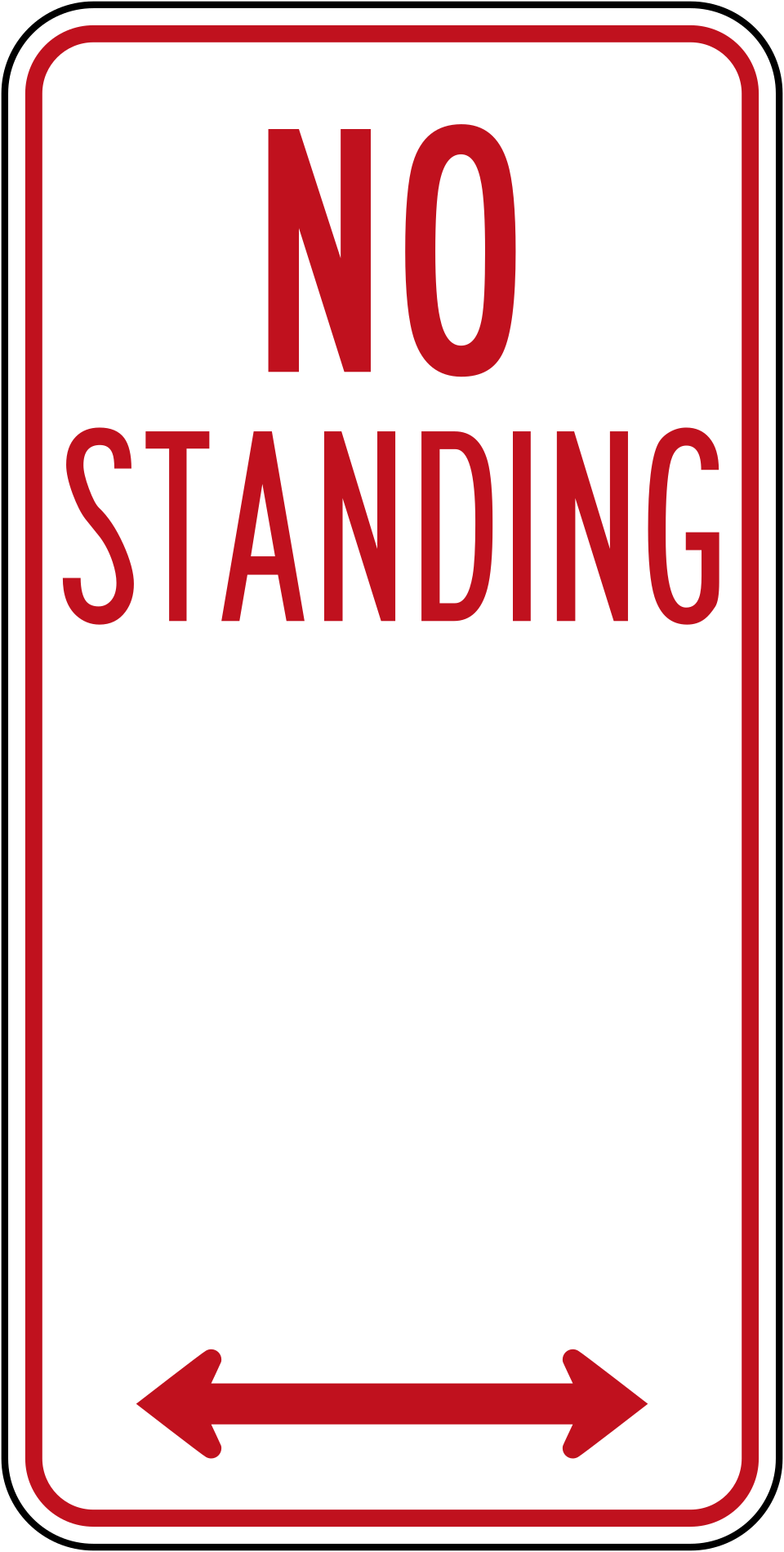
No standing = NO STOPPING, NO PARKING! Parking near fire hydrants – Instant fine (and possibly a tow).
Blocking driveways – Even if it’s "just for a minute."
Not checking for "Clearway" signs – These mean no parking during specific times (usually rush hour).
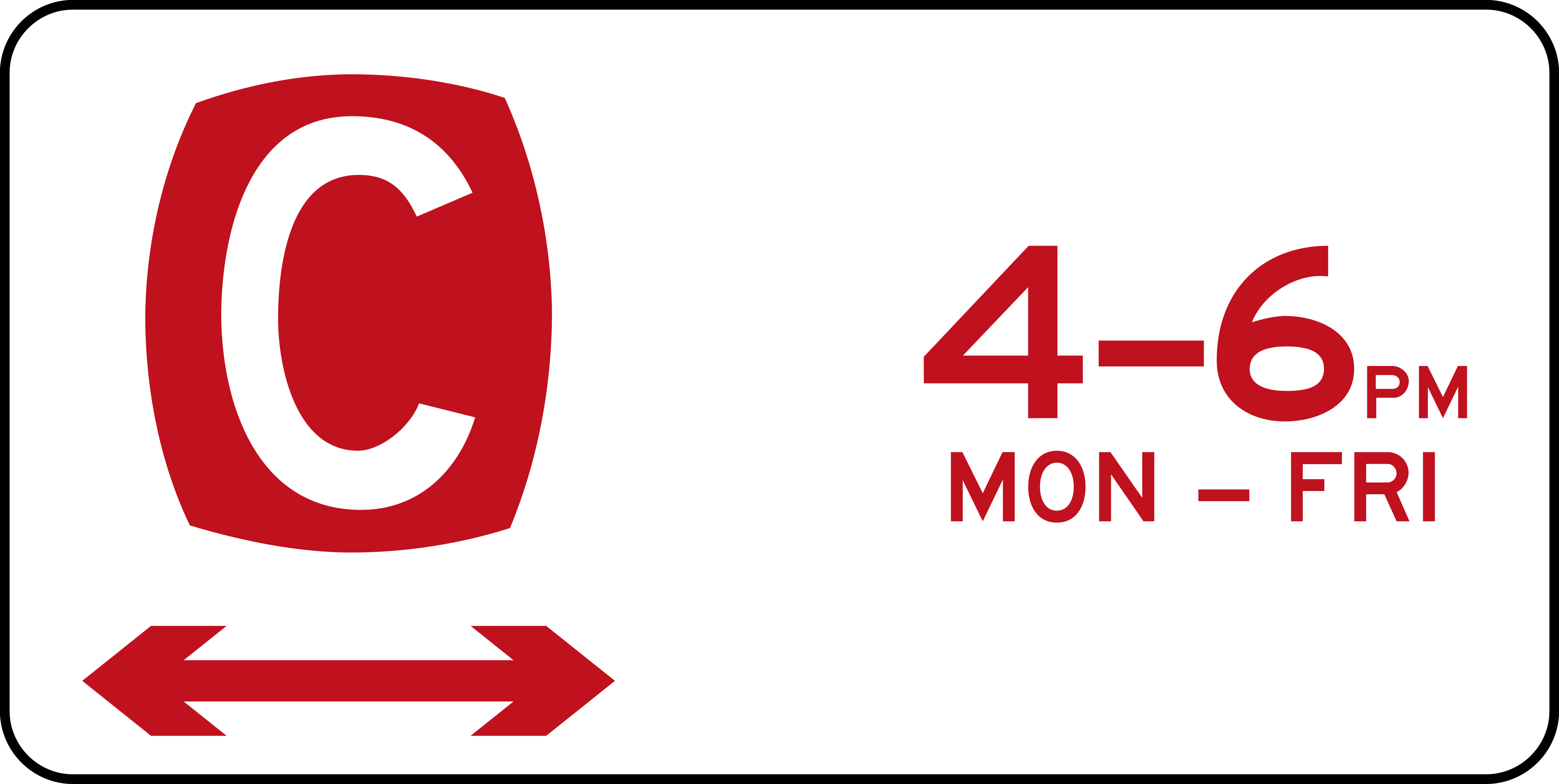
Clearway aka no parking at these times What’s the best way to avoid a parking fine?
Read ALL signs (yes, even the tiny ones).
Set a timer on your phone for your parking limit.
Use parking apps to check time limits and pay digitally.
When in doubt, move on – Find a spot with clearer rules.
Check for "No Parking" zones before leaving your campervan.
-
Can I drive on gravel or unsealed roads in Australia?
No. Spaceships Rentals Australia only permits driving on sealed roads in Australia. The only exception is a maximum of 300 metres on unsealed roads solely to access a designated campground. This limit is strict and cannot be extended or upgraded under any circumstances, including with additional insurance options.
This policy exists to protect both our vehicles (e.g., tyres, suspension, underbody) and your safety, as unsealed roads can be unpredictable and hazardous for 2WD campervans.
-
What kind of roads can we drive on? Sealed, unsealed, dirt roads or...? Where can we drive?
Here's the answer to the question, what kind of roads can we drive when hiring a Spaceships campervan. Or where can I drive the vehicle? Can I explore the North, South, West or East part of Australia?
Here's a short overview/snippet from our Terms & Conditions.
"4.1 You must only use the Vehicle on sealed roads.
4.2 You must not, unless authorised in writing by us, drive or take the Vehicle:
(a) on any road which is closed or restricted; or
(b) on beaches or through streams, dams, rivers or flood-waters; or
(c) to any other area which we have, in our discretion, advised you not to enter."
See our Terms & Conditions for detailed info
You can explore Australia on drive on any road not mentioned as restricted or forbidden in our Terms & Conditions (see above).
-
Is Australia experiencing fuel shortages?
No. The Australian Government’s National Fuel Security Plan confirms that Australia is currently in a secure position. While global events have caused volatility in fuel supply and prices, the government is actively monitoring the situation and has a comprehensive, staged approach to ensure fuel remains available for all Australians, including travellers and roadtrippers.
This National Fuel Security Plan outlines four levels of response, with Australia currently at Level 2: Keeping Australia Moving. This means:
Fuel supply continues to operate effectively, with only localised disruptions.
The government is taking precautionary actions to secure supply, such as underwriting additional fuel cargoes and monitoring imports.
Voluntary measures are encouraged to reduce fuel demand, such as buying only the fuel you need and making efficient travel choices.
For Space Travellers, this means you can confidently plan your road trip without fear of widespread fuel shortages.
How a Spaceships campervan saves you money on your road trip
By choosing a Spaceships campervan, you’re opting for a cost-effective, fuel-efficient way to explore Australia. Spaceships compact campervans are built on the Toyota Estima platform, offering:
Better fuel efficiency than traditional vans or motorhomes.
Easier handling: they drive like a car, so you can navigate cities and highways with ease.
Comfortable sleeping: enjoy the convenience of a campervan without the fuel costs of larger vehicles.
Extra fuel-saving road trip tips
Plan your route to avoid unnecessary detours.
Drive efficiently: maintain steady speeds and avoid idling
Buy only the fuel you need - avoid panic-buying or overfilling.
-
What should I do if my steering wheel is locked and the vehicle won’t start?
If your steering wheel is locked and your Spaceships campervan won’t start (sometimes called "anti-theft mode"), try these steps:
Turn the Steering Wheel: Gently turn the steering wheel to the left or right while turning the ignition key. This can release the steering wheel lock.
Use the Correct Key: Make sure you’re using the correct key, as a damaged or unrecognised key can trigger the lock.
Restart the Process: Turn the ignition off, remove the key, and wait a few minutes before trying again.
-
Checks to do when travelling long distance (close to or over 10,000km)
If you are planning to travel 10,000 km or more, let us know. Your vehicle may require a standard service during your journey. Depending on your route, we can arrange a service at one of our nearest depots to keep everything running smoothly.
Check fluids of your campervan reguraly
Regularly checking your vehicle’s fluids is crucial, especially for long-distance travel on Australian roads. These roads can be remote, long, and rougher than those in other regions, like Europe. Staying on top of these checks helps prevent serious mechanical issues and ensures a smooth journey.
Please regularly check the following:
engine oil (see how to do this)
coolant
brake fluid
transmission fluid
power steering fluid
windshield washer fluid
-
What can we do to prepare for driving in Australia?
Before you hit the road, it’s crucial to understand the unique challenges of driving in Australia. Whether it's navigating the left side of the road, watching out for wildlife, or staying informed during bushfire season, this guide provides everything you need to know to drive safely and confidently on your Australian #SpaceshipsRoadTrip 🖖
Essential safe driving tips for road trips in Australia
Wildlife: Slow down, especially at dawn and dusk, to avoid collisions with wildlife.
Fatigue: Take regular breaks, Australia is vast, and fatigue can set in quickly.
Driving Side: Always drive on the left-hand side of the road.
Mobile Use: Avoid using your mobile phone while driving.
Speed Limits: Stick to speed limits and only park in designated areas.
Seatbelts: Always wear your seatbelt correctly. Australia has cameras to monitor seatbelt use, and fines apply for incorrect usage.
Curtains: Drive with your curtains open for better visibility and safety.
See all our safe driving tips to make your Aussie adventure as safe as it is enjoyable.
Check fluids of your campervan regularly
Regularly checking your vehicle’s fluids is crucial. Aussie roads can be remote, long, and rougher than those in other regions, like Europe. Staying on top of these checks helps prevent serious mechanical issues and ensures a smooth journey. Please regularly check the following:
engine oil (see how to do this)
coolant
brake fluid
transmission fluid
power steering fluid
windshield washer fluid
-
Important road rules in Australia - Safe driving tips
Keep Left - Australia drives on the left side of the road, which can take some adjustment for overseas drivers. Always keep left, especially when turning or at intersections.
Seatbelts / Buckle Up - Seatbelts are mandatory for everyone in the vehicle. Ensure everyone is strapped in before you start driving. Seatbelts must be worn correctly over the shoulder. There are seatbelt cameras in Australia with significant fines if seatbelts are not work correctly
Stick to the Speed Limit - Speed limits vary between 50 km/h in urban areas and 100-110 km/h on highways. Remember, the speed limit is the maximum, not a target - drive slower in bad conditions or unfamiliar areas.
Drive According to Conditions - Adjust your speed for weather, road, and traffic conditions. Slow down in rain, fog, or ice.
Stop at STOP Signs - Make a complete stop at all STOP signs and check that it's safe to proceed before moving on.
Be Careful Around Bends - Reduce your speed when approaching curves, especially in wet weather or on unfamiliar roads.
Overtake Safely - Only overtake when it’s safe. Use designated passing lanes and never cross solid lines.
Share the Road - Australia’s roads are shared with cyclists, pedestrians, and even horse riders. Keep a safe distance - 1.5 meters where possible - and be patient.
No Drink Driving - Australia has strict laws on driving under the influence. The legal Blood Alcohol Concentration (BAC) limit is 0.05%. Always be a sober driver.
Hands Off Your Mobile - Avoid using your mobile phone while driving. If you need to make a call or send a message, pull over safely. Fines for mobile use are high, and it’s dangerous. There are mobile phone cameras in Australia and you may be fined if the driver is touching a phone. This includes if your phone is sitting on your lap.
Take Your Time - Australia is vast, and driving often involves long distances. Allow extra time for your journey and enjoy the ride
-
What to do when in an accident? How to report damage or a scratch or make an insurance claim?
No matter what happens on the road, the Spaceships Crew is here to help. Whether you have a question, need assistance, or just want to chat, our friendly team is ready to support you. You can reach us through various contact options: See all contact options: email, phone and more.
If you are involved in an accident, prioritize your safety first, then contact us. If someone damages your Spaceship, you encounter an issue, or if a tire goes flat, CONTACT US FIRST!
What to Do in Case of an Accident
Ensure Safety:
Check that everyone involved is okay. If anyone is injured or requires medical attention, call an ambulance immediately by dialing 000.
Contact the Police if needed:
In Australia, police usually attend only major accidents, such as those blocking a main road. For minor accidents, you may not need to contact them. However, if someone has hit your vehicle and left the scene, report it as a hit-and-run to the police and obtain the police report number.
Fill Out the Insurance Form:
Please report all damages or issues within 24 hours. It is crucial to contact us before driving after an accident to ensure you do not cause further damage.
Document the Incident:
Email pictures of all vehicles and property involved: enquiries@spaceshipsrentals.com.au
Please don`t forget to write your license plate or booking number in the subject line. Thank you
Collect Third-Party Information:
Gather and record the following details from the third party involved:
Name
Email address
Phone number
Address
Insurance details
Report Hit-and-Run:
If someone has hit your vehicle while you were not present, contact the police to report the incident and provide Spaceships with the police report number.
-
Parking in Australia explained. How to avoid a parking ticket
Left-Hand Side: Always park on the left-hand side of the road. It's illegal to park facing oncoming traffic.
Check Signs: Look for parking signs indicating time limits, such as 2P for two hours or 3P for three hours. Overstaying can result in fines.
Transit Lanes: In cities, you might see T2 or T3 signs. These are transit lanes, and you can only drive in them if you have the specified number of people (including the driver) in the car.
-
Can you help me select a Whitsunday Tour and find a deal?
When you're on a road trip along the east coast of Australia, one of your must-see places has to be the Whitsunday Islands. This incredible group of 74 islands located just over 50 kilometres from Airlie Beach on the Queensland coast is at the southern end of the Great Barrier Reef, one of the 7 natural wonders of the world.
There are lots of different ways to experience the unique beauty of the Whitsundays: by boat, by plane and by kayak. To name a few of the options. And yes, there are lots of amazing tours to choose from.
To make the decision easier, we have created an article highlighting the advantages of the different tours and showing some of our favourite ways to explore the Whitsundays. Finding the best tour for you also depends on factors like time, budget and your personal preferences. There are some amazing multi-day tours but if you only have a day or half a day to spend then there are some quick tours that show you the highlights in a shorter amount of time. One thing is for sure: there is a Whitsundays Tour for every traveller, no matter the time you have and the budget. And it’ll be a good day, for sure.
Compare all Whitsunday Tours and find the best deal
More info about how to find & book activity deals in Australia.

Set sail to the Whitsunday Islands - a must-see on your Aussie road trip -
What to do do if items are missing or broken?
If you feel that items are missing from your campervan, please contact the friendly Spaceships Crew via email, phone or chat. We're always here to help and to answer your questions.
-
Where are toll roads located in Australia?
Toll roads in Australia are primarily found in major cities and their surrounding areas.
Here’s where you can find them:
Sydney, New South Wales: Toll roads are prominent in Sydney and its suburbs, including major routes like the M4, M5, and the Sydney Harbour Bridge.
Melbourne, Victoria: Toll roads are located in Melbourne, particularly on routes such as the CityLink and EastLink.
Brisbane, Queensland: Brisbane has toll roads like the Gateway Motorway and the Logan Motorway.
Gold Coast, Queensland: The M1 Motorway, which connects Brisbane and the Gold Coast, includes toll sections.
These toll roads help manage traffic and fund road maintenance.
More info about toll roads and how to set up your toll pass.
-
What are the recommended camping apps to use?
Ready to start your adventure in Australia? Got your campervan booked? Awesome. Now it's time to decide where to go and what to do. Start by downloading the recommended camping & road trip apps for your smartphone. It's easy and you'll have access to the latest info.
-
Can I drive at night?
Yes you can but it is not recommended!
Driving at night in Australia is so much different than driving in your homecountry. Australia is huge, distances are longer and roads can be tedious so the risk of falling asleep is higher, there's no lighting on most roads and there is the risk of animals like kangaroos jumping out of nowhere to cross the road.
It is better to find a campsites before it gets dark and enjoy a good night's sleep - Spaceships come with sleeping gear included. Then you can continue your right trip - early - in the morning. Just make sure to enjoy a good breakfast first - the most important meal of the day - as cooking gear is also included with your Spaceships campervan.
See for more tips about driving safely in Australia.
Have a great & safe #SpaceshipsRoadTrip 🖖
-
Why hire a campervan in Australia? Why hire a Spaceship? Show me the advantages!
What better way to explore such an amazing country than at your own pace? A campervan - like a Spaceships compact campervan - offers you freedom, flexibility and convenience all in a vehicle which is like a good car to drive. See all the advantages of hiring a Spaceship.
Don't believe us? No worries, there are 1000s of happy Space Travellers who loved their #SpaceshipsRoadTrip 🖖 in Australia, for example this Space Traveller.
They will show you the advantages of a Spaceships campervan in less than 25 seconds. The campervan model shown here is the Beta 2S Premium Campervan.
Reasons to explore Australia
Then there are the world-class attractions & activities, the golden sand beaches, amazing landscapes, first-class campground facilities, and friendly locals. Explore the outer space of Australia with a Spaceship and do what you want when you want to.
-
Got tips for exploring Magnetic Island?
We sure do. Have a look at these amazing tours for exploring the stunning Magnetic Island. Explore pristine beaches, breathtaking landscapes, and abundant wildlife that will leave you speechless!
-
What will be the registration number / rego / licence plate number of my campervan?
When campsites or other organisations ask for your licence plate number - rego or registration number - to make a booking, you can just fill in TBA aka To Be Announced or Rental Vehicle. Then you can let them know your registration number at the time of check-in.
Unfortunately we cannot let you know your registration number in advances as we just don't know it. We only allocate vehicles close to the scheduled pick-up dates as in the world of tourism and travel things can always change unexpectedly.
-
How to change a tyre of my Spaceships campervan?
A flat tyre can always happen. In your home country with your car, but also here in Australia while on your Spaceships road trip. Your Spaceship is equipped with a spare tyre. To change a tyre is just as easy as on any regular car. If you have never changed a tyre before or you need a refresher course, the tips and videos on this page will help you out.
-
How to do [XYZ] before or on my road trip?
Any question you have that starts with the words HOW TO, will be answered here.
Questions like....
How to change a flat tyre?
How to set up the rear awning of the campervan?
How to find free and budget campsites?
And many more how to's....
All the answers to these questions can be found on the HOW TO Section of our Self-Service Area of our website.
-
What are the rules with camping in your Spaceship?
We encourage customers to use camping grounds and be environmentally aware, however you can free camp in some areas. You can also pay up from $10 - $40 to have a powered site to charge up your camera/phone/hairdryer and get more facilities.
-
Can we take a Spaceships campervan on the ferry to Tasmania?
Yes sure you can. No problem at all. You can take the ferry to Tasmania and explore the island with your Spaceship. Check out our blog post about Tasmania for road trip inspiration.
But you can also fly to Tasmania and pick up a campervan from the Spaceships depot in Hobart.