
Australian parking signs may look like alien glyphs, full of symbols, numbers and colours. So here’s your translator.
🅿️ The "P" Symbol
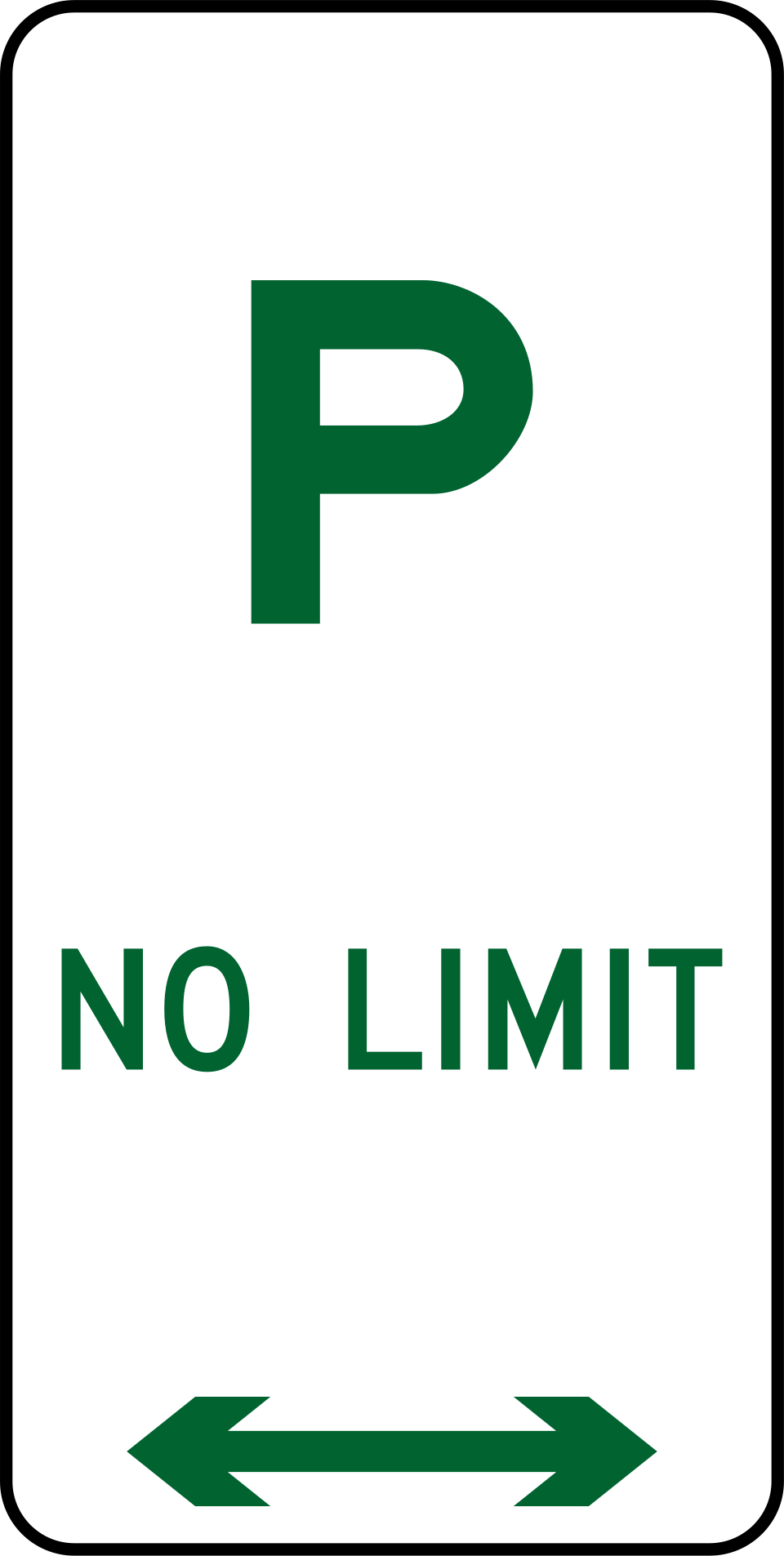
✅ "P" alone = Parking is permitted
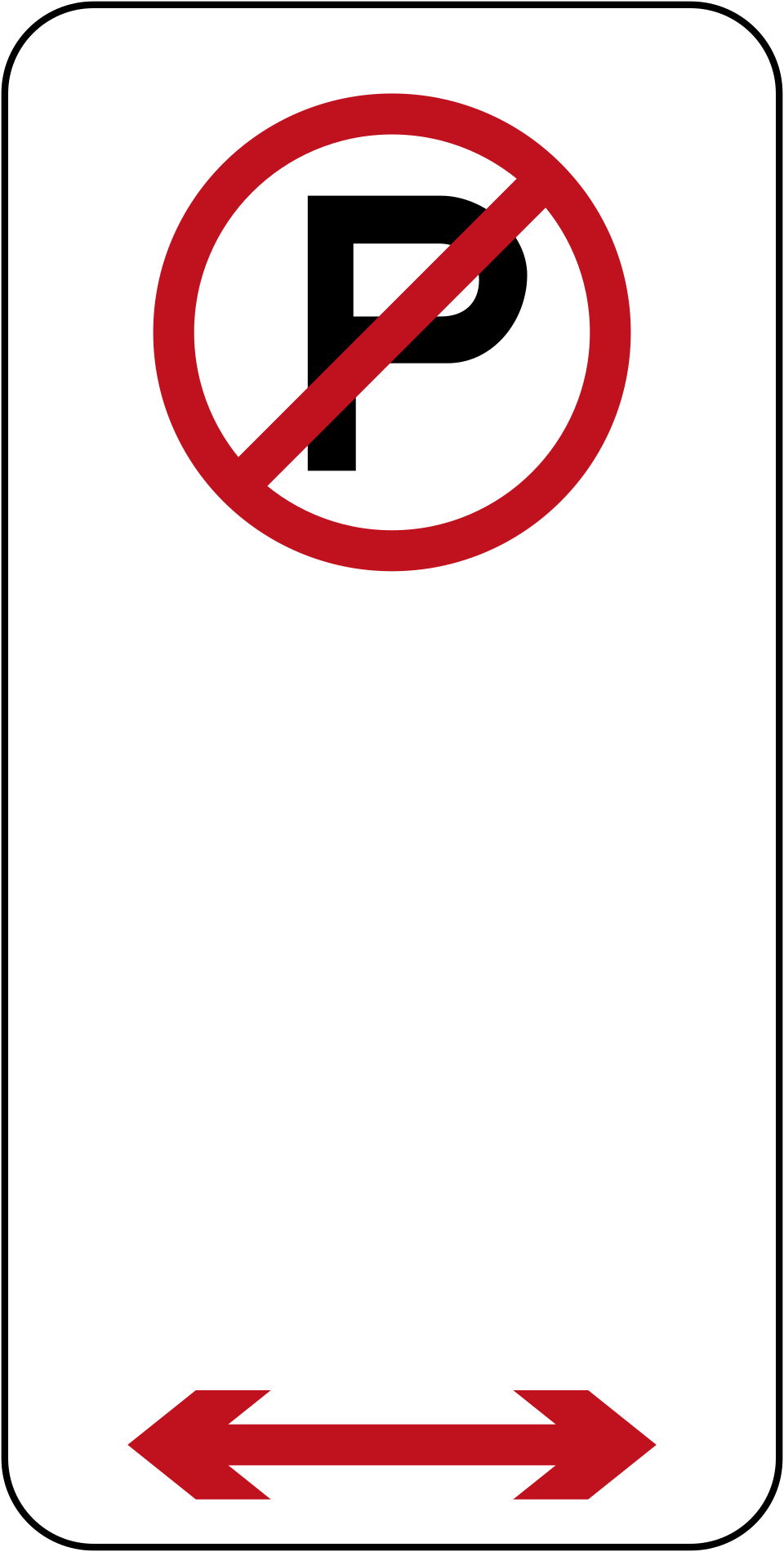
❌ "P" with a red slash = No parking
Time Limits
"1P" = 1 hour max
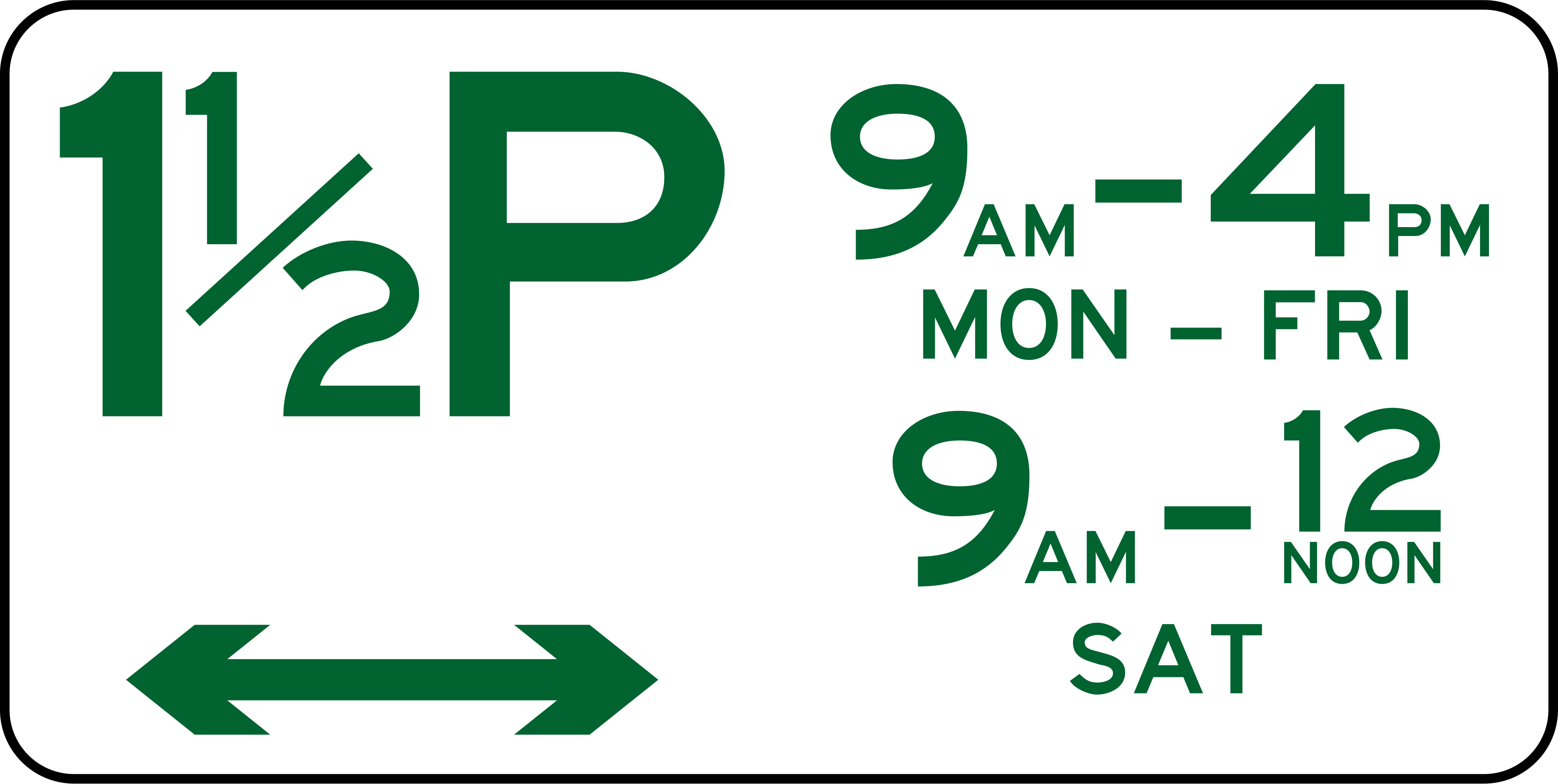
"1½P" = 1.5 hours max
"2P" = 2 hours max
"½P" = 30 minutes max
"¼P" = 15 minutes max (usually for quick stops, like grabbing a pie)
Days & Times
If a sign says "Mon–Fri 8 am–6 pm", the rule only applies during those times. Outside those hours? Park freely (but double-check for other signs).
No days/times listed? The rule applies 24/7.
Arrows
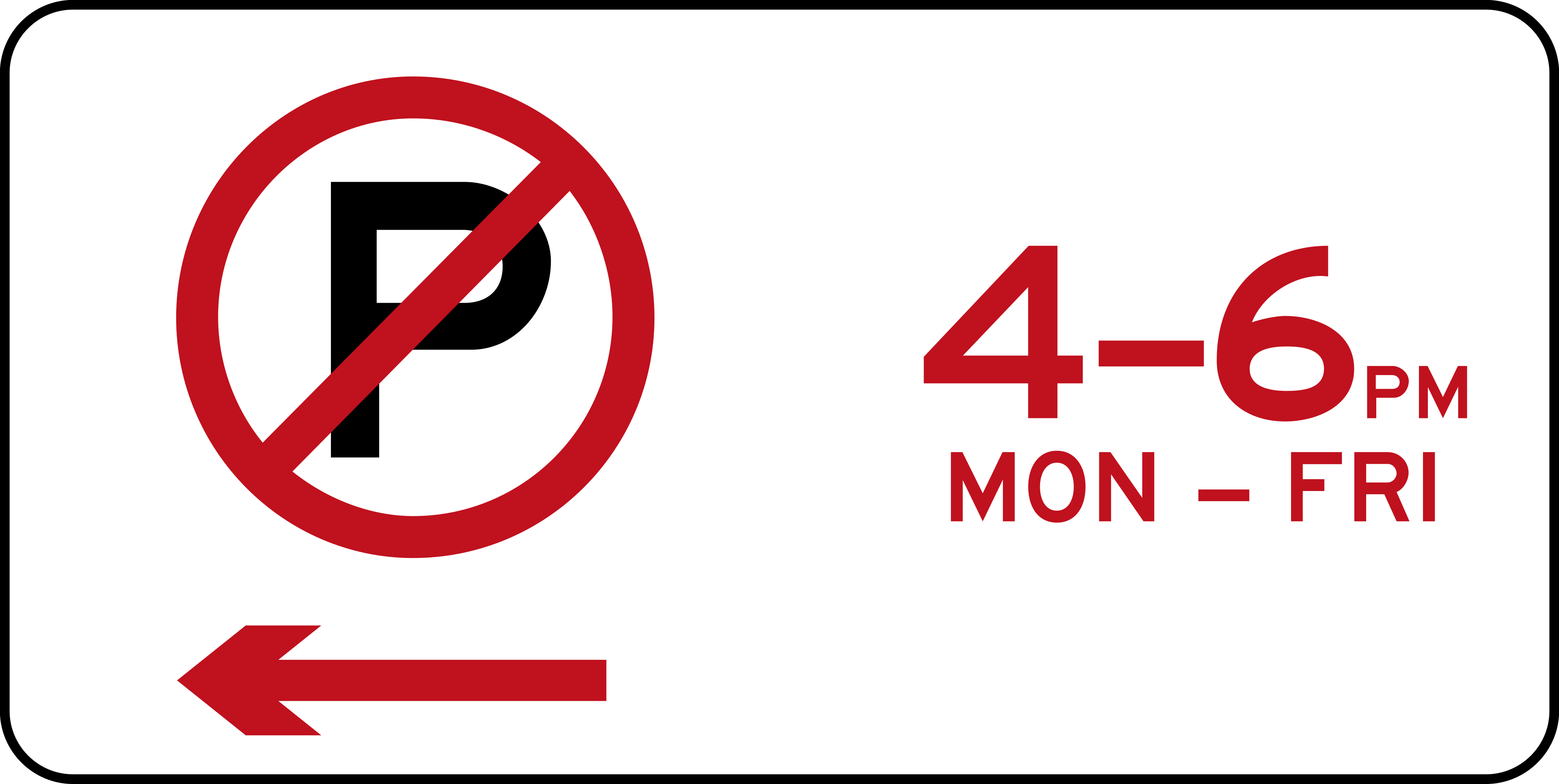
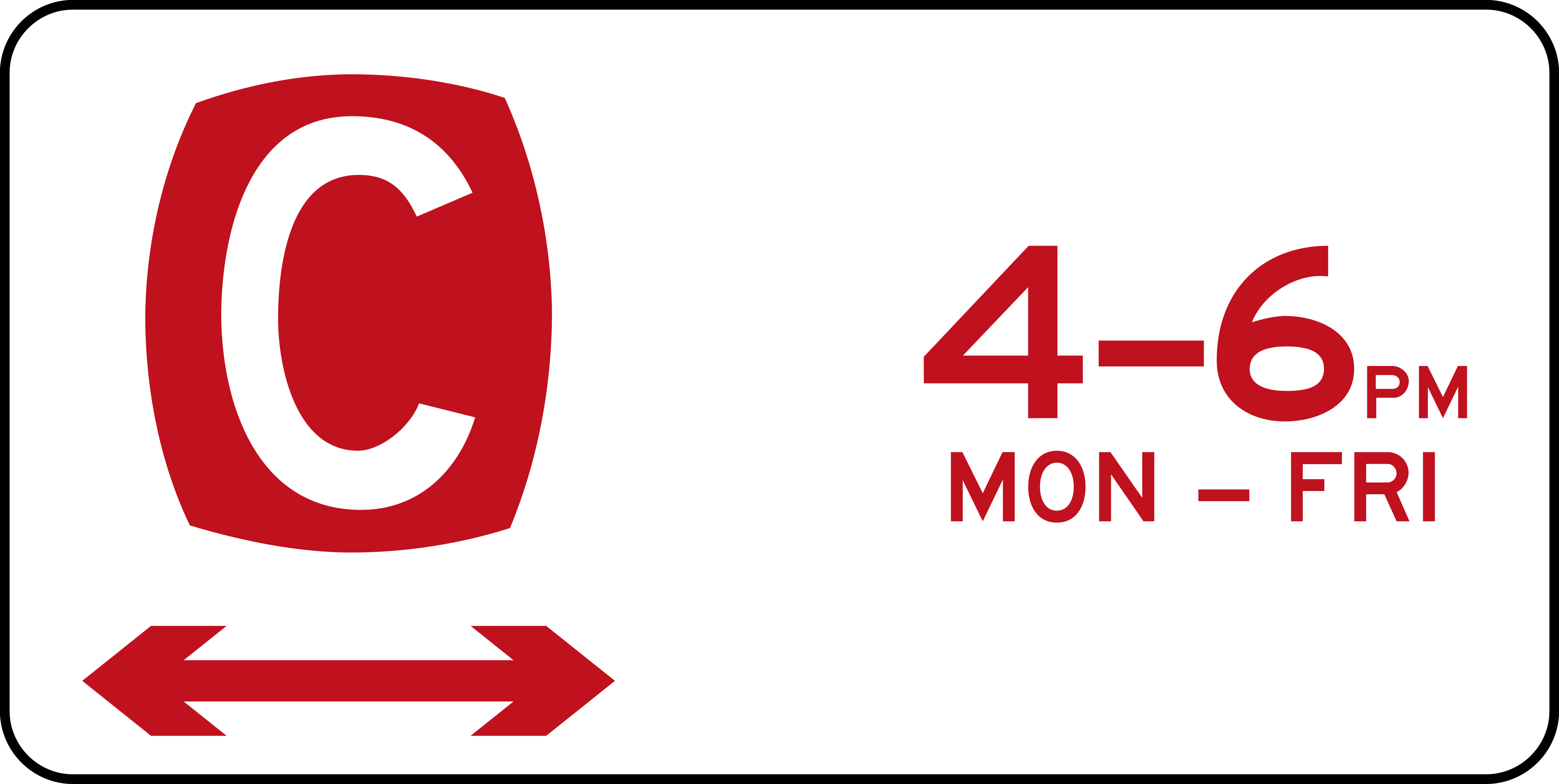
An arrow means the rule applies in the direction it’s pointing until another sign says otherwise. See the example below, no parking in the area on the left of this signs between 4 and 6pm on Monday to Friday so it applies as long as you don't see another parking sign in that area that says otherwise.
Colours
Green = Usually permitted or time-limited parking.
Red = Restricted or "No Parking" zones.
Blue = Often disability parking (look for the wheelchair symbol).
Multiple Signs on One Post
Read top to bottom. The top sign is the main rule; lower signs add exceptions or extra conditions.
What happens if I overstay my time limit?
Parking inspectors patrol regularly. They’ll:
Scan your vehicle’s registration
Record the time you arrived.
Issue a fine if you exceed the limit.
Pro Tip: Some areas use digital sensors to track parking time. You will get caught.
Can I park anywhere if there’s no sign?
NO. If there’s no sign, assume parking is unrestricted (but check for painted lines or curb markings).
Yellow lines on the curb = No parking.
White lines = Usually OK, but watch for time limits.
Do I need to pay for parking?
Depends on the sign:
"Ticket" = Buy a ticket from a machine and display it in your window.
"Meter" = Pay at the meter (some are digital, some still use coins—yes, Earth still has coins).
"Permit" = Only for vehicles with a special permit (e.g., residents).
"Free" or no mention of payment = Parking is free (but time limits may still apply).
Pro Hack: Use apps like Park’nPay (NSW) or PayStay (VIC) to pay digitally and avoid fumbling with coins.
Are parking rules the same everywhere in Australia?
Nope. While most signs follow national standards, local councils can add their own twists. For example:
Sydney: Strict enforcement, high fines.
Melbourne: Trams have priority—parking near tram lines is often restricted.
Brisbane: Some areas require reverse parking (back into the spot).
Always:
Check for local council signs.
Look up parking rules on the council’s website if unsure.
What are the most common parking mistakes travellers make?
Ignoring arrows – The rule applies only in the arrow’s direction.
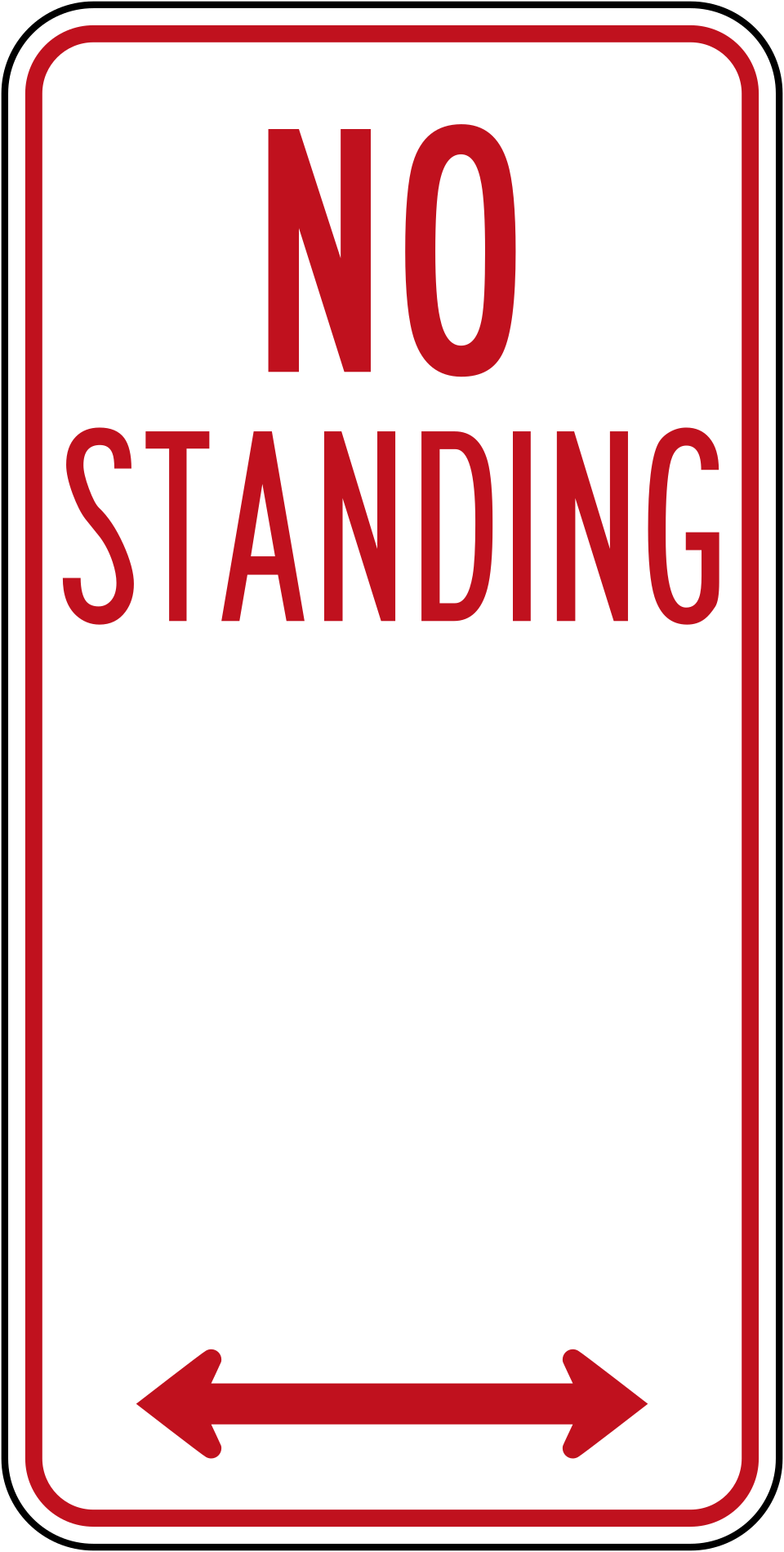
Assuming "No Standing" = "No Parking" – "No Standing" means you can’t stop at all (not even to drop off a passenger)
Parking near fire hydrants – Instant fine (and possibly a tow).
Blocking driveways – Even if it’s "just for a minute."
Not checking for "Clearway" signs – These mean no parking during specific times (usually rush hour).
What’s the best way to avoid a parking fine?
Read ALL signs (yes, even the tiny ones).
Set a timer on your phone for your parking limit.
Use parking apps to check time limits and pay digitally.
When in doubt, move on – Find a spot with clearer rules.
Check for "No Parking" zones before leaving your campervan.